Storytelling Through Rugs
For centuries, the craft of rug-making has been a way to express and record stories. This is particularly true for Persian & Oriental rugs. These masterful works of art feature an array of symbols, patterns and motifs, many of which hold cultural and historical meaning. Understanding the stories woven into Persian & Oriental rugs provides us with a unique lens into the past.
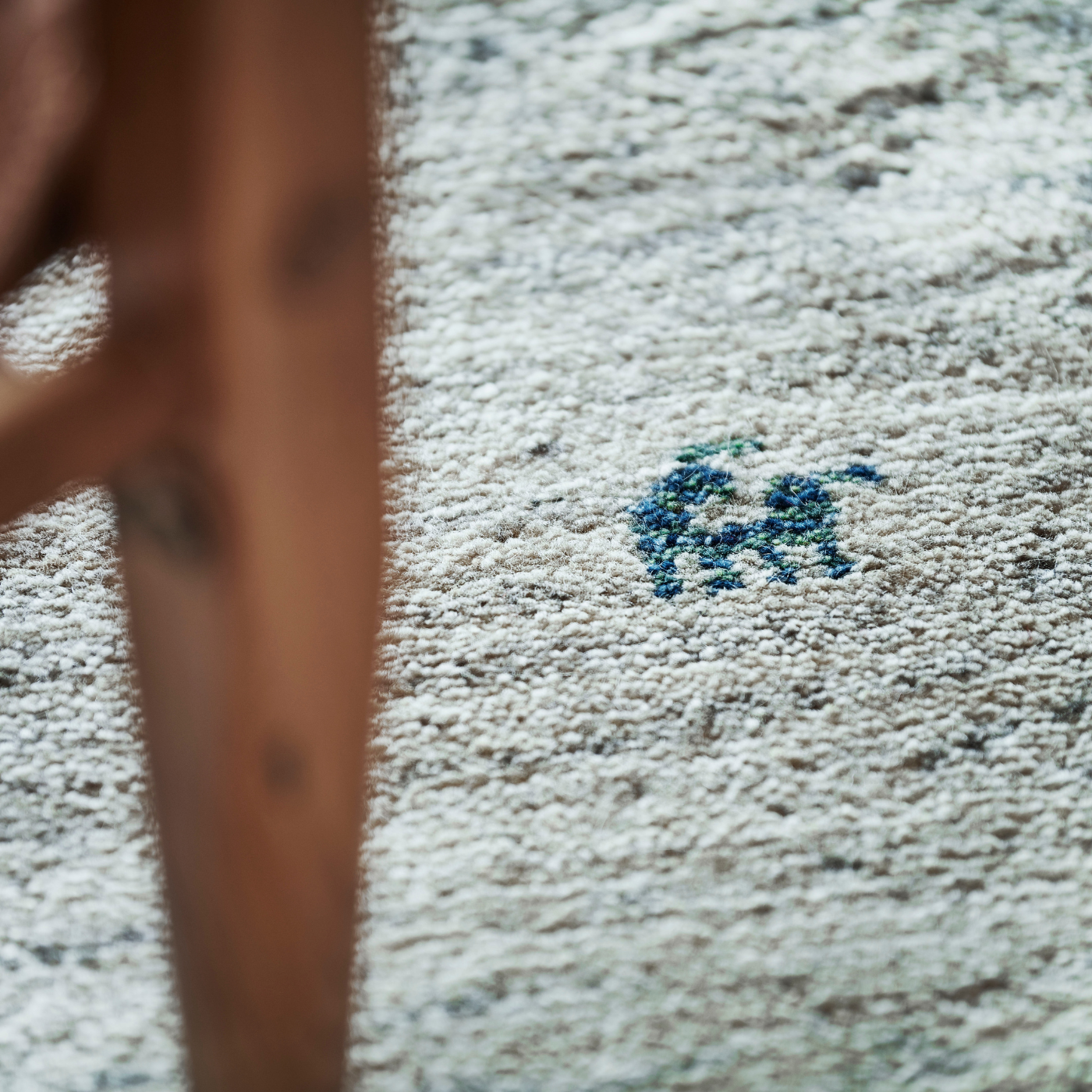
Symbolism in Persian Rugs
Some of the earliest motifs found in rug design can be traced back to Neolithic cave art. As rug making evolved, these ancient markings moved from the cave wall to the clothing and textiles. Rug weaving spread across Central Asia and Persia, becoming sought-after exports and status symbols; even finding their way into mosques, cathedrals and royal courts across the world. Today, those same symbols endure in Persian rugs, carrying forward those same stories that were woven into the earliest known designs.
Motifs & Meanings
Persian and Oriental rugs are full of stories waiting to be read. Their motifs may vary across regions, but many share symbolic meanings that trace back hundreds of years:
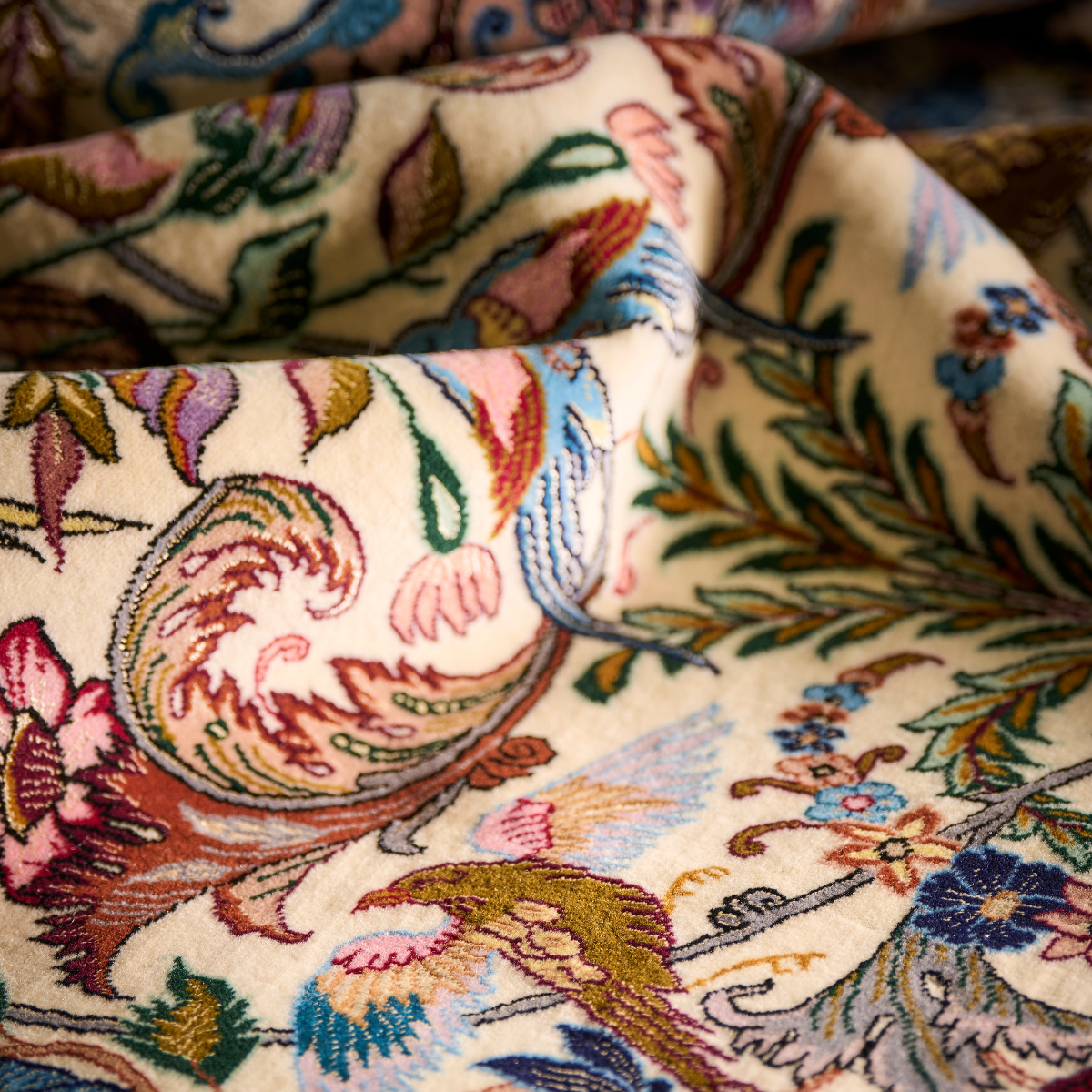
Florals
Floral designs and motifs typically symbolise connection and growth. The tree of life depicts a stylised tree set against a detailed floral backdrop and is often found in Persian rug design. It is typically associated with immortality and renewal.
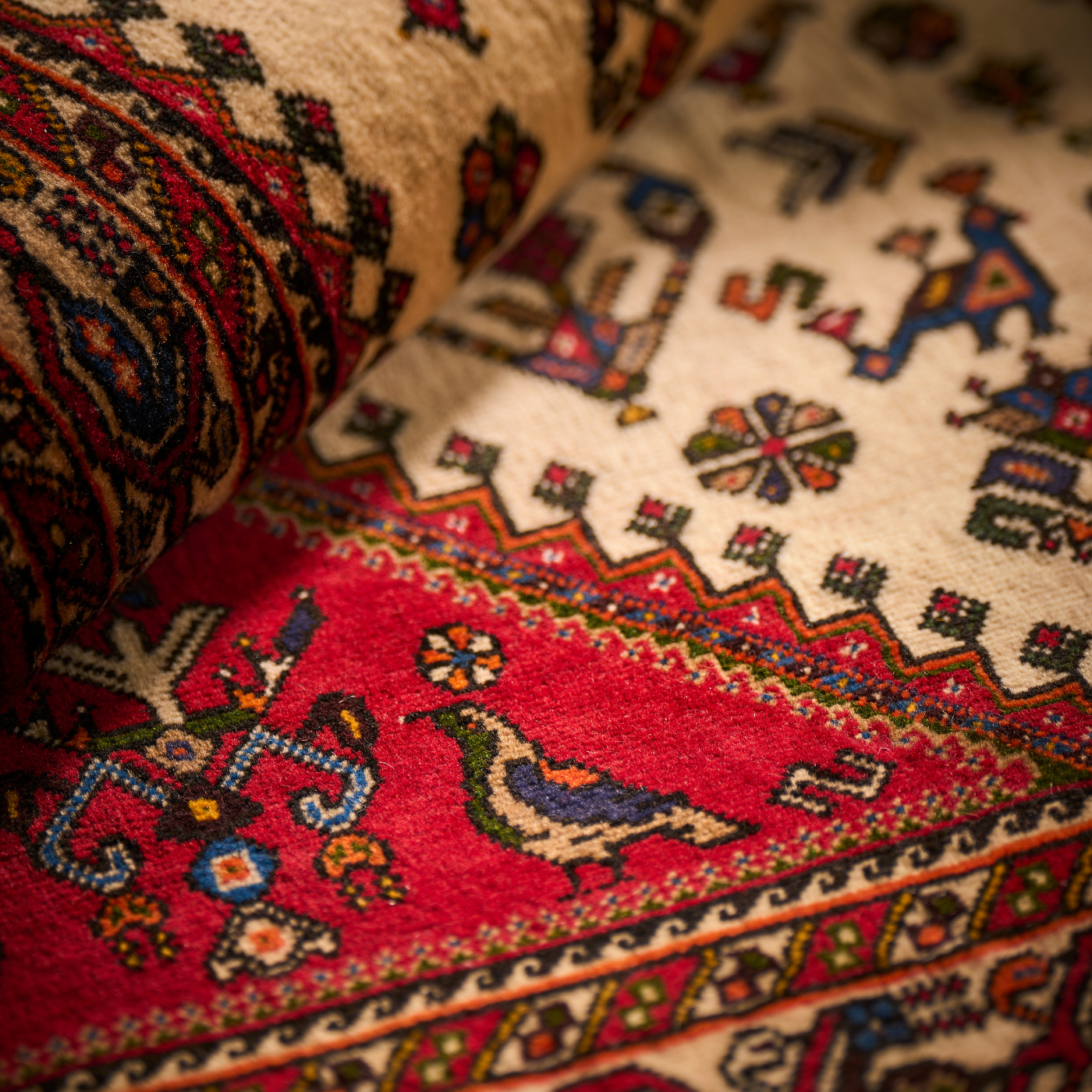
Animals
Animal symbols are prominent in many types of Persian rugs. Lions typically represent courage, birds symbolise freedom, and fish signify fertility and abundance. The phoenix often appears as a sign of renewal and immortality.
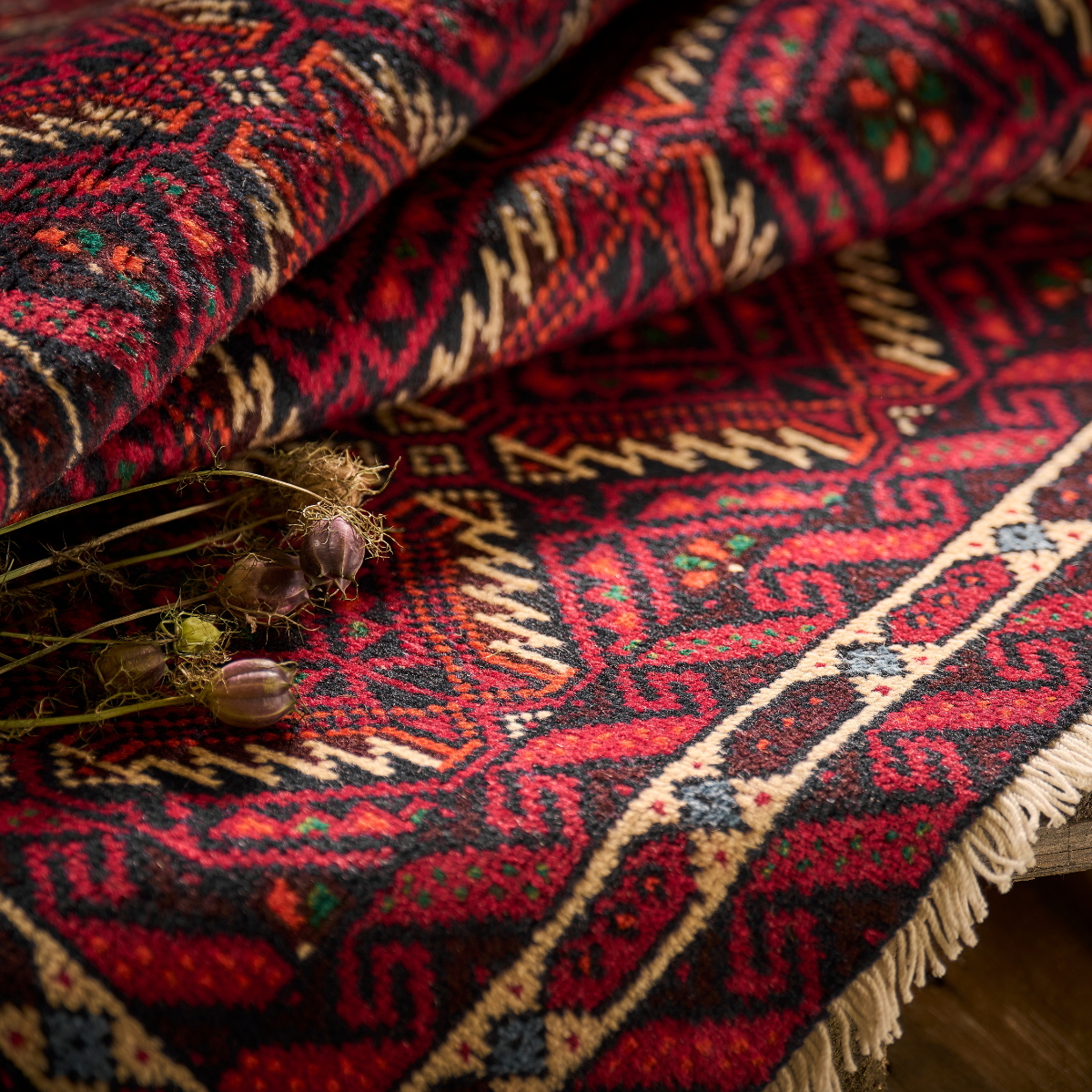
Geometric Designs
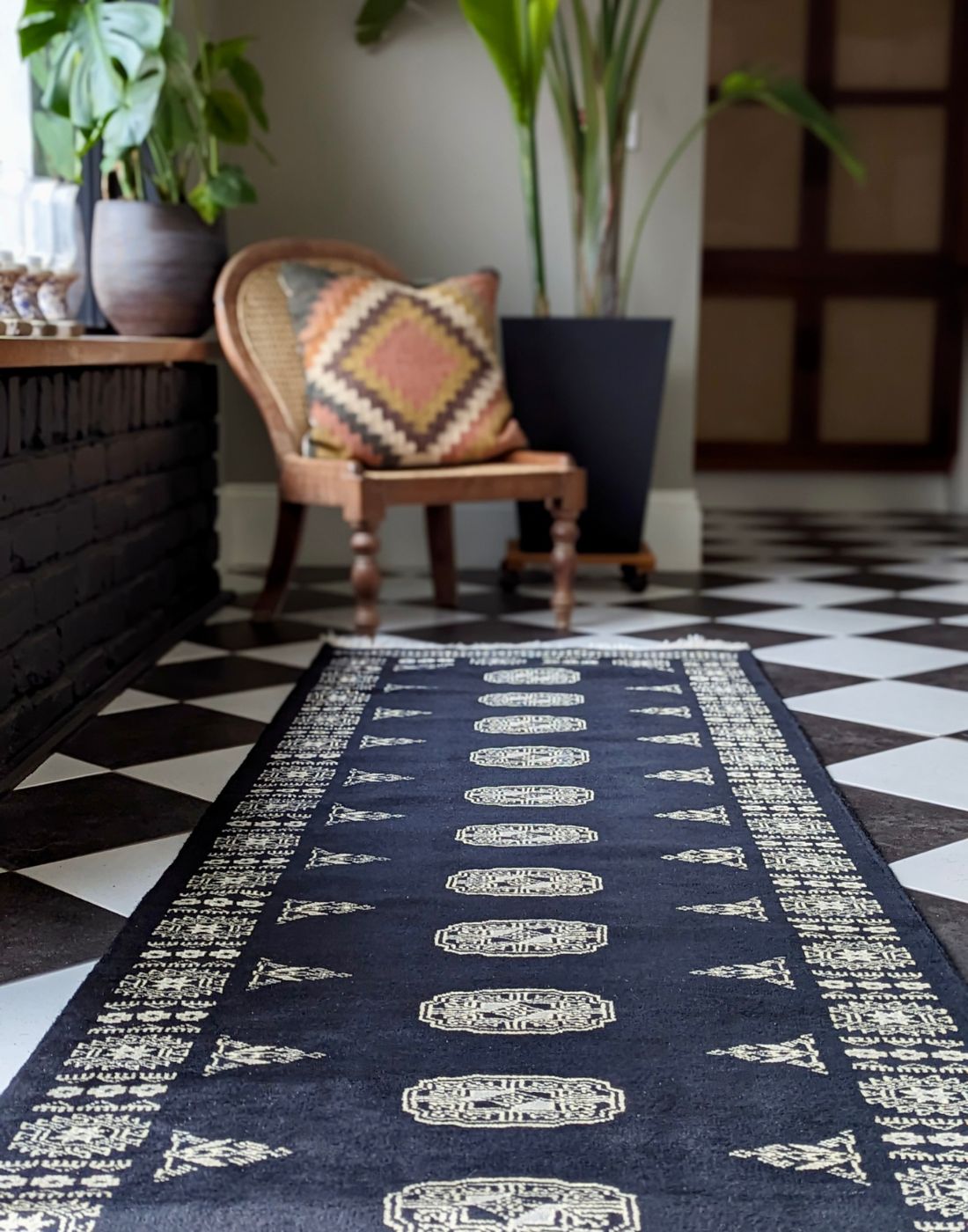
Triangles can represent the mother, father and child family unit, diamonds are commonly used to symbolise femininity, and medallion patterns framed by hexagons or octagons are said to offer protection.
The Craft Behind the Story
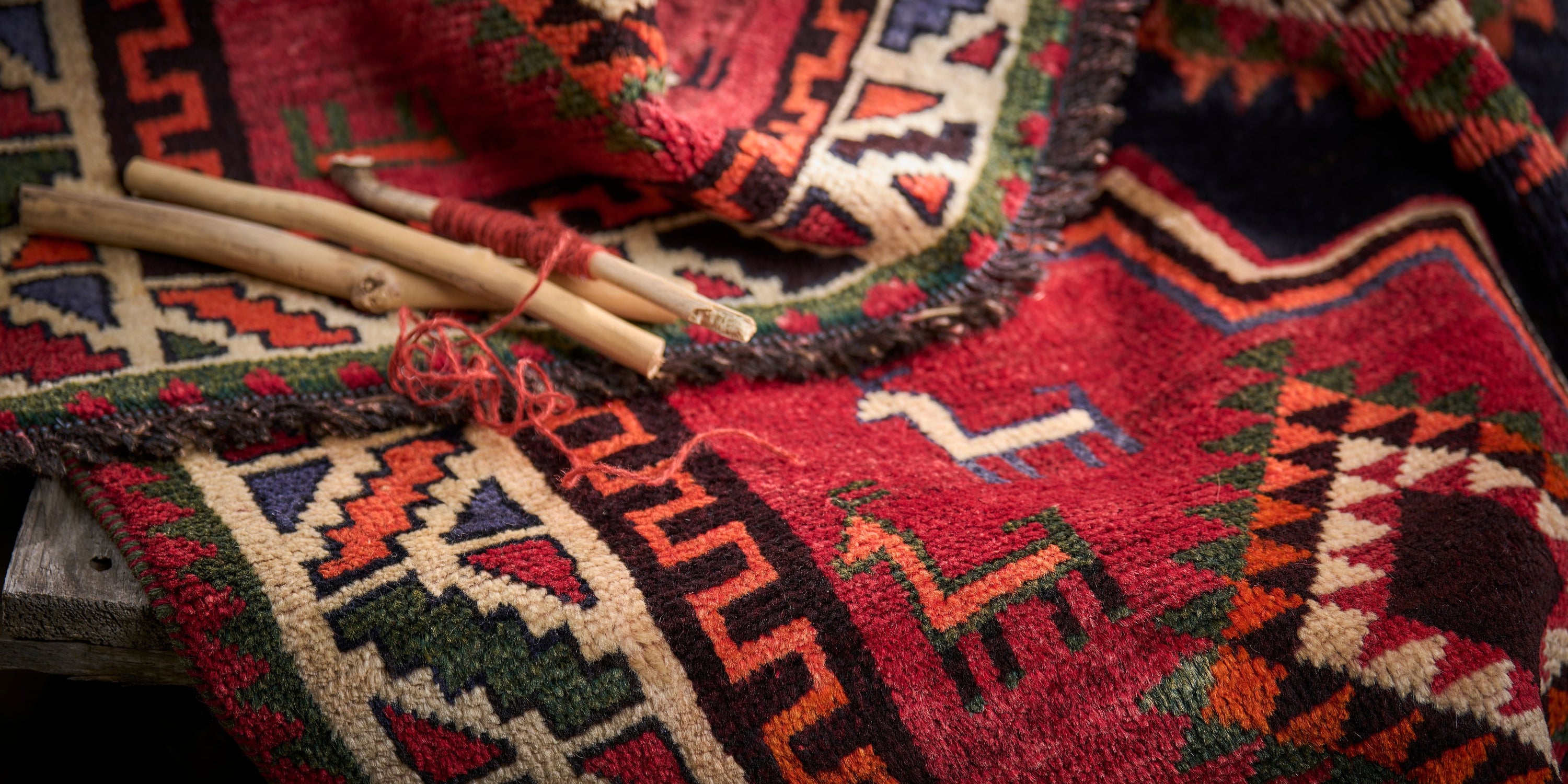
Every handknotted rug is the product of time honoured skills passed down through generations. Weavers begin by stretching warp threads on a loom, before interlacing them with weft threads to build a foundation. Individual knots, tied into this foundation, create the rugs' pile. Rug weaving flourished during the Ottoman and Safavid empires and quickly became a prized export. Persian rugs reached new levels of intricacy and were admired in mosques, cathedrals and palaces across Europe. Though weaving techniques developed, the essence of the craft stayed intact. Skilled weavers still use natural, high quality materials and vegetable dyes to create these exquisite pieces; crafting the rug’s design knot by knot.
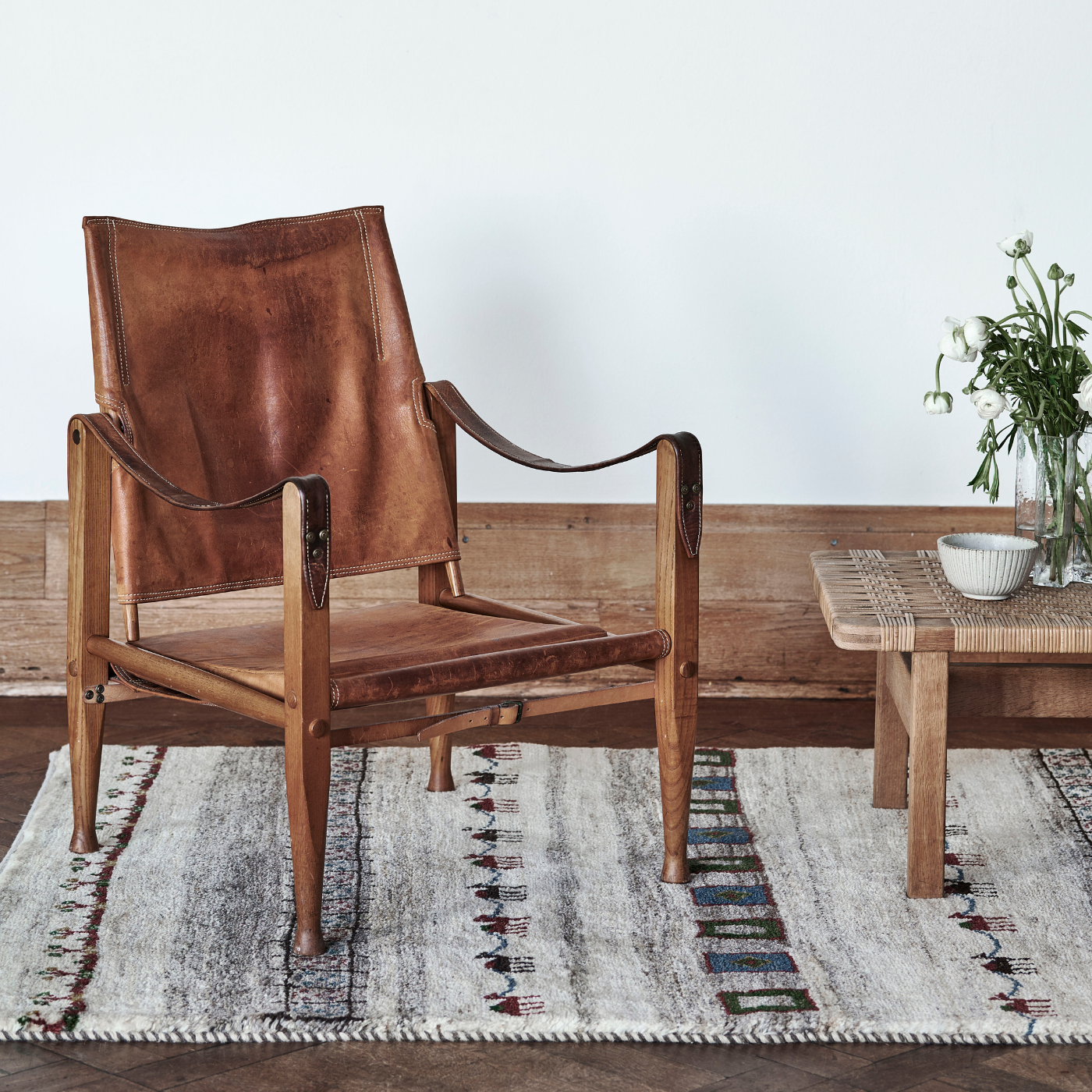
Tribal Persian Rugs
Tribal Persian rugs are exceptionally durable pieces that are handknotted by nomadic or settled communities in Iran. There are several Tribal rug types, each with distinctive set of characteristics that are specific to each community. Historically, tribal rugs were not purely decorative and were utilised to cover the floors of tents as well as provide a more comfortable place to walk, pray and rest. These rugs tell us an important story about the weavers, cultures and communities that surrounded them.
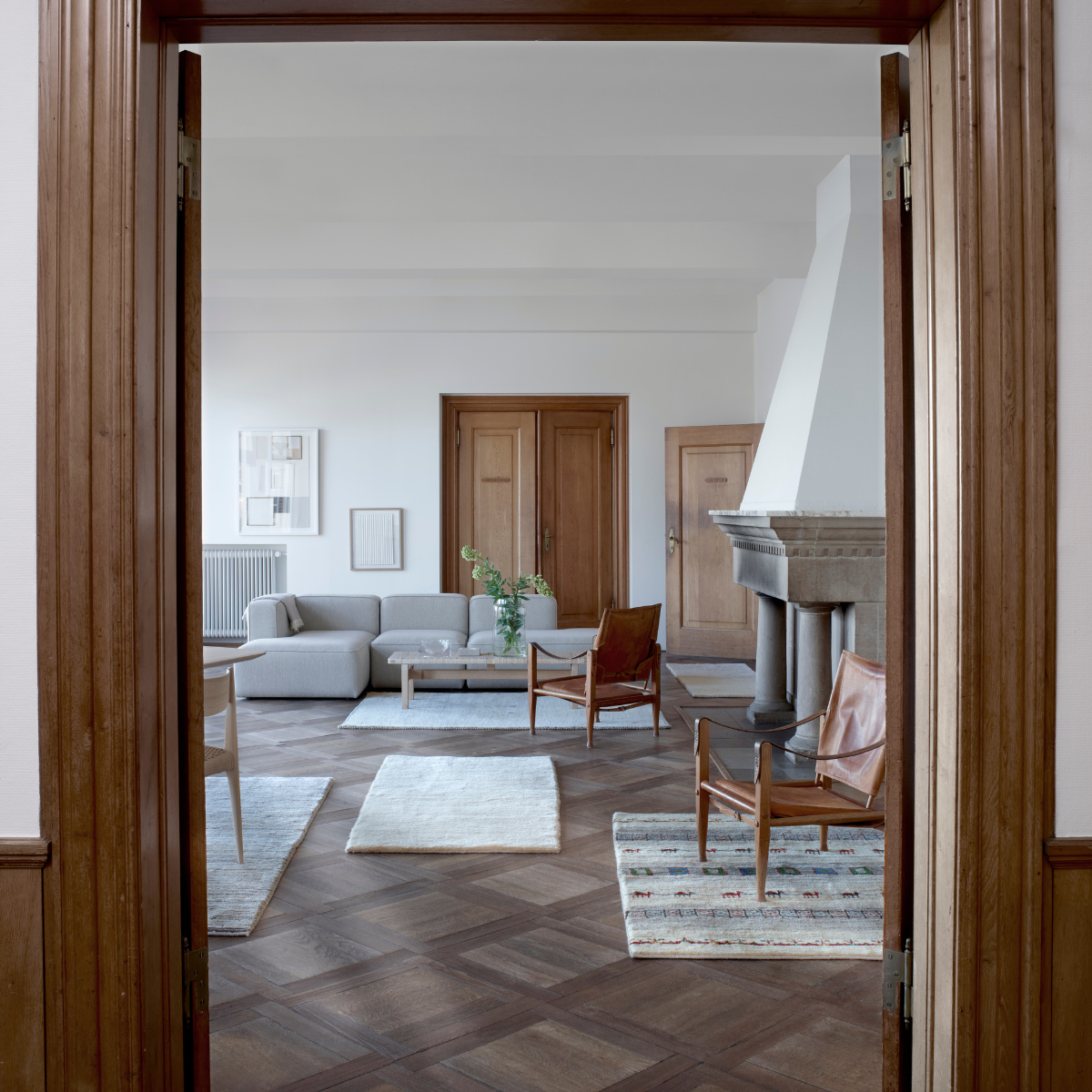
Gabbeh Rugs
Gabbeh rugs are known for their minimalist, linear patterns and restful, earthy palette; often featuring stylised animal and botanical motifs. These beautiful pieces typically have a thick cosy pile.
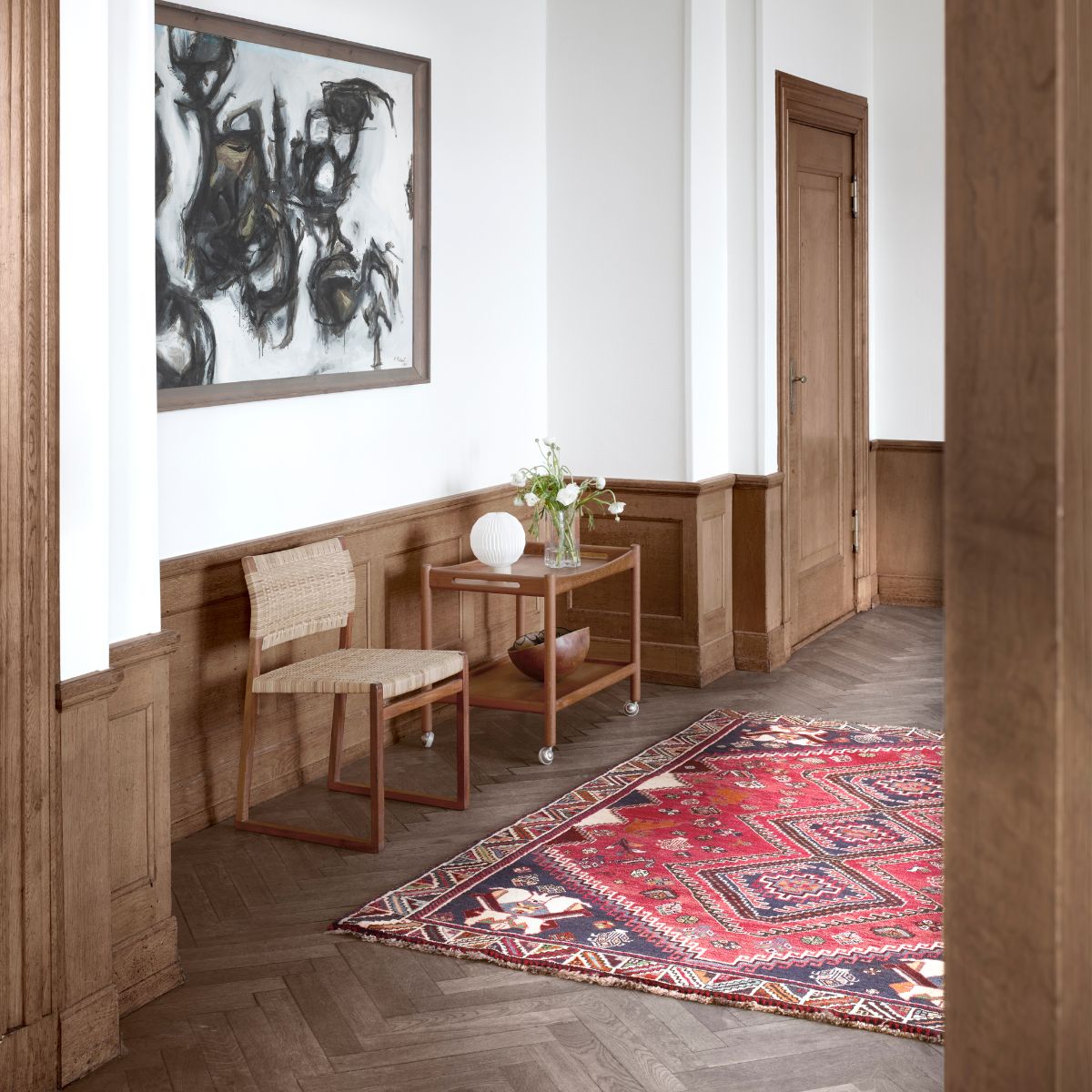
Kashghai Rugs
Kashghai rugs (also spelt Qashqai) are recognisable for their jewel tones and bold geometric designs. These pieces often feature a central medallion surrounded a field adorned by a variety of motifs.
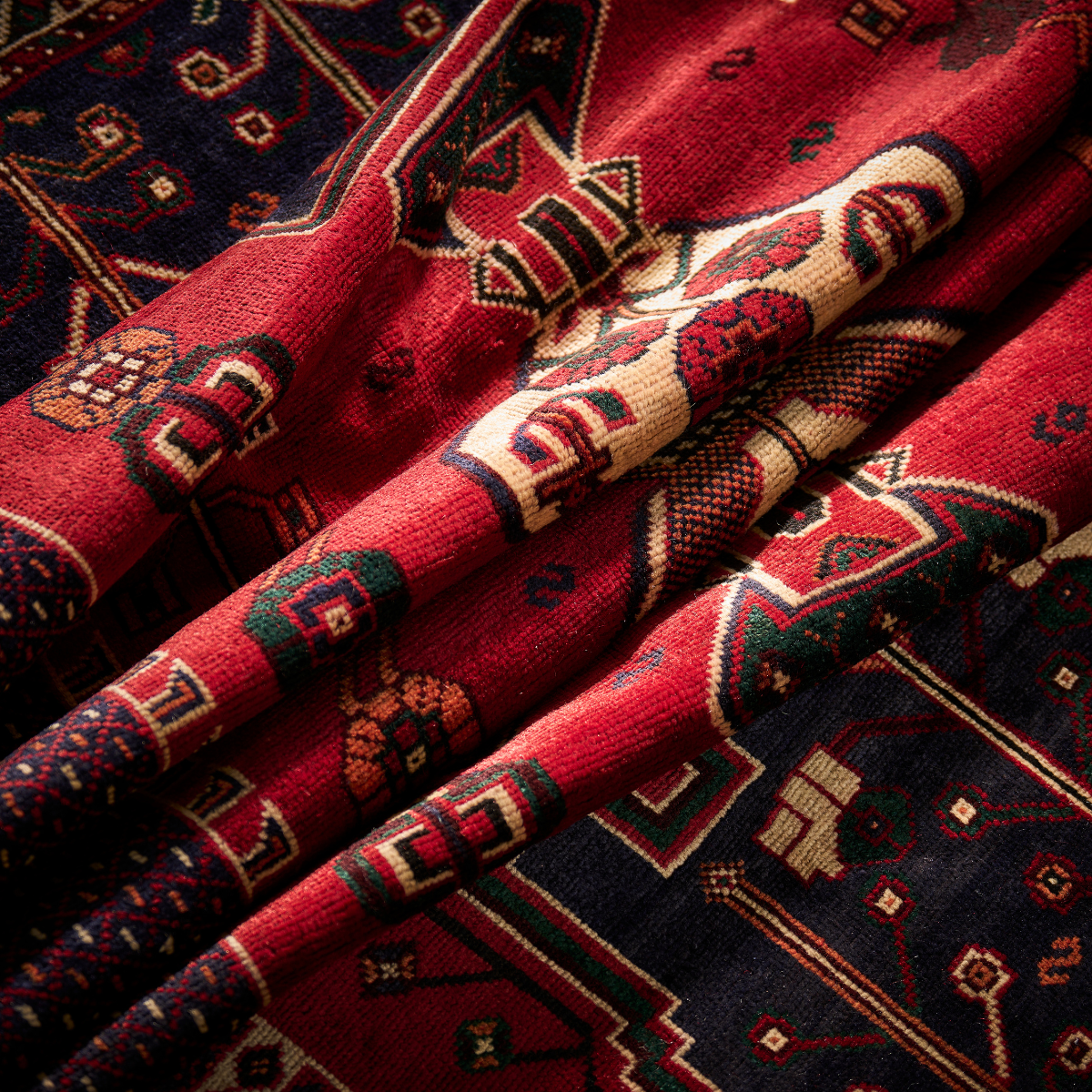
Shiraz Rugs
Shiraz rugs typically depict strong geometric patterns, complemented by a range of plant and animal symbols. The designs are bold and striking; the perfect centrepiece for any home.